
Ethical NDIS property investing is about more than strong rental yields. At its core, it’s about providing safe, appropriate homes for people with disability while operating within clear rules, realistic expectations, and responsible investment practices.
Specialist Disability Accommodation (SDA) plays a critical role in addressing Australia’s housing shortage for NDIS participants. But to invest ethically, investors must balance social impact, compliance, and long-term sustainability—not just returns.
This guide breaks down what ethical NDIS property investment really looks like, what the NDIA expects, and how to protect both tenants and your portfolio over time.
NDIA’s Guidance: Investment Risks & Responsibilities (No Guaranteed Returns)
One of the most important things to understand about ethical NDIS property investing is that returns are not guaranteed.
The National Disability Insurance Agency (NDIA) is clear: SDA is designed to support participants, not to underwrite investor profits.
Key points from NDIA guidance investors should understand:
- SDA payments are paid to support eligible participants, not properties
- Funding is policy-driven and can change over time
- Vacancy risk sits with the investor, not the government
- SDA is a long-term social infrastructure investment, not a short-term yield play
Regulators, including ASIC, have warned against marketing SDA investments as “risk-free” or “government-guaranteed”.
Ethical investors take responsibility for understanding:
- SDA Rules and Design Standards
- Pricing arrangements
- Participant eligibility and funding duration
➡️ Best practice: Always cross-check claims with official guidance on ndis.gov.au and seek independent advice before committing.
Best Practices for Tenant Wellbeing & Provider Separation
Ethical NDIS investing puts participant wellbeing first—not just at move-in, but for the life of the property.
What ethical investors do well:
- Build homes that genuinely support independence, dignity, and safety
- Choose locations close to transport, health services, and community facilities
- Ensure homes meet (or exceed) SDA Design Standards—not just the minimum
- Plan for long-term maintenance and accessibility upgrades

Provider separation matters
A key ethical principle is clear separation between roles:
- The SDA provider manages the dwelling and compliance
- The Supported Independent Living (SIL) provider supports the participant
- The investor does not influence care decisions or tenancy pressure
This separation protects participant choice and prevents conflicts of interest—something regulators watch closely.
➡️ Ethical investors understand that happy, supported tenants = lower vacancy risk and better outcomes for everyone.
Long-Term Portfolio Health: Avoiding Oversupply Locations
Oversupply is one of the biggest risks in SDA investing—and one of the most avoidable.
Ethical NDIS property investment means:
- Responding to real, unmet demand
- Not flooding areas with identical SDA stock chasing high yields
How to protect long-term portfolio health:
- Avoid hotspots driven purely by marketing hype
- Focus on areas with:
- Low existing SDA supply
- Proven participant demand
- Strong local health and support ecosystems
- Match the right design category to the area (not every location needs High Physical Support)
Oversupplied markets increase:
- Vacancy periods
- Pressure on tenants to accept unsuitable housing
- Reputational risk for investors and providers
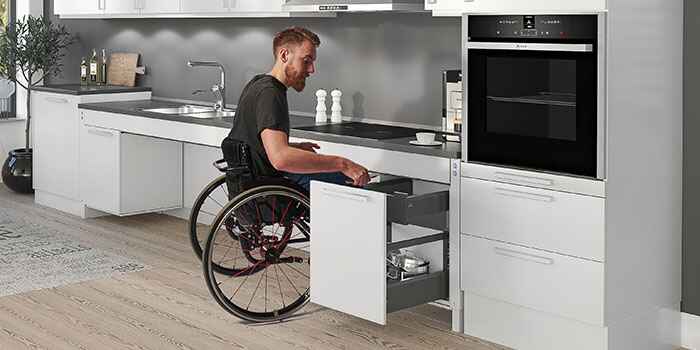
Ethical NDIS Property Investing Checklist
Before you invest, ask yourself:
- Does this property genuinely meet participant needs?
- Is demand proven, not assumed?
- Are claims backed by NDIA guidance—not marketing spin?
- Is there clear separation between housing and care providers?
- Have I budgeted for vacancies, higher build costs, and specialist management?
- Have I sought independent legal and financial advice?
If the answer is yes across the board, you’re on the right path.
Final Thoughts
Ethical NDIS property investment is not about chasing the highest advertised yield—it’s about building sustainable homes, supporting vulnerable Australians, and investing responsibly for the long term.
When tenant wellbeing, compliance, and transparency come first, strong financial outcomes are far more likely to follow.
Visit NDIs.gov.au today